Image could not be loaded. You can still follow the written recipe below.
Garlic Soy Noodles
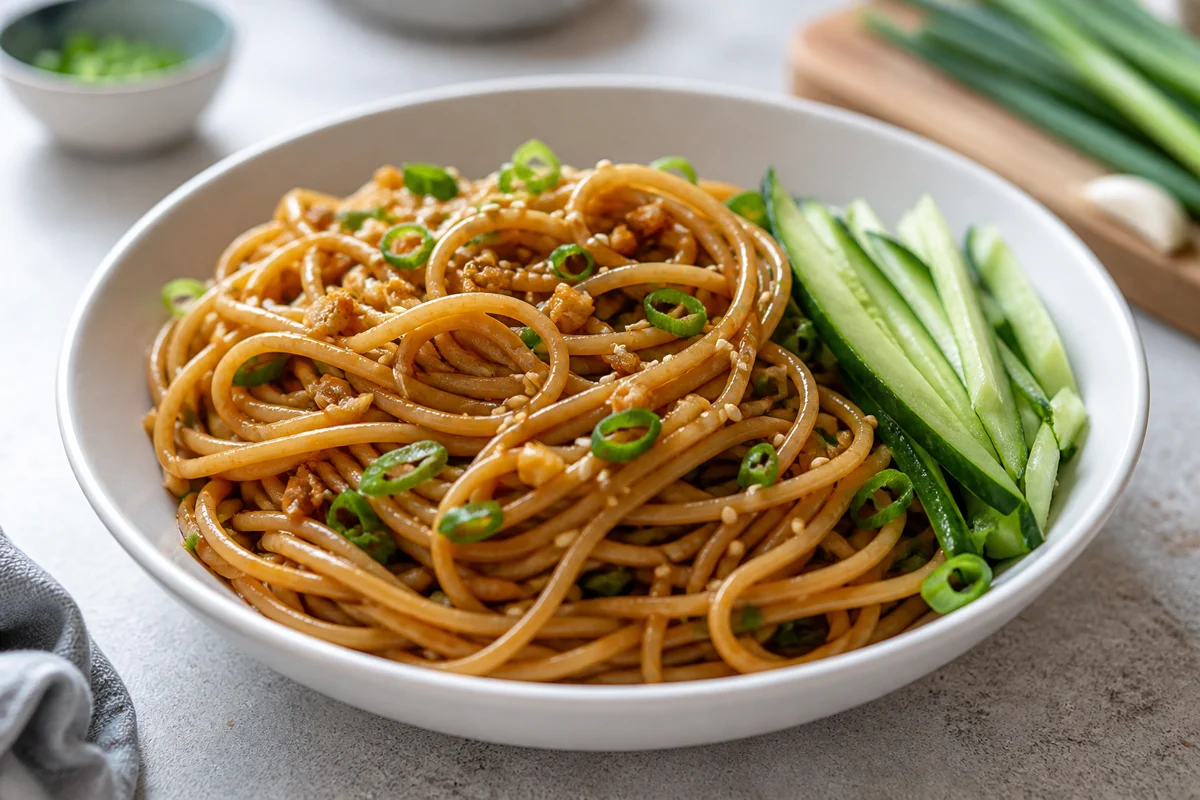
Fast pantry noodles tossed with garlic, soy sauce, green onion, sesame oil, and spaghetti-friendly noodle options.
Garlic soy noodles are designed for nights when the pantry is thin but dinner still needs to taste deliberate. The recipe works with Chinese wheat noodles, ramen noodles, spaghetti, or linguine, which makes it realistic for many home kitchens outside China.
The method is simple: cook noodles, warm garlic and green onion in oil, then toss with a salty-sweet soy sauce mixture. Add a fried egg, tofu, cucumber, or leftover chicken if you want the bowl to become a full meal.
It gives beginners a no-fuss noodle bowl that works with spaghetti, linguine, ramen, or Chinese wheat noodles.
Before You Start
Pot, Large skillet, Tongs
- noodles
- garlic
- green onion
- soy sauce
- sugar
- neutral oil
- Read all steps once before heating the pan, pot, or skillet. Chinese home cooking often moves quickly after the oil or broth is hot.
- Measure sauces, chop aromatics, and place ingredients near the stove before you start cooking.
- For noodles, have a colander ready before boiling water so you can drain them as soon as they are tender.
Success check: The noodles should be tender but not mushy, coated with sauce, and easy to lift with chopsticks or a fork.
Ingredients
- noodles: 220 g / 8 oz.
- garlic: 4 cloves.
- green onion: 3.
- soy sauce: 2 tbsp.
- rice vinegar: 1 tsp (optional).
- sugar: 1 tsp.
- toasted sesame oil: 1 tsp (optional).
- neutral oil: 2 tbsp.
- sesame seeds: 1 tsp (optional).
Steps
- Prepare the garlic and onions
Mince the garlic and separate the white and green parts of the green onions. The whites can cook with the garlic, while the green tops taste fresher at the end. Measure soy sauce, sugar, vinegar, sesame oil, and sesame seeds before boiling noodles.
- Boil noodles and save water
Cook the noodles in boiling water until just tender. Before draining, scoop out a small cup of the starchy cooking water. Drain the noodles well. The saved water helps loosen the sauce without making it taste plain.
- Warm garlic gently
Heat neutral oil in a skillet over medium heat. Add garlic and green onion whites, then stir for 30 to 60 seconds. The garlic should smell fragrant and look pale golden at most; dark brown garlic tastes bitter.
- Make the pan sauce
Lower the heat and add soy sauce, sugar, and vinegar if using. Stir until the sugar dissolves. Add a spoonful of noodle water if the sauce sizzles away too quickly or looks too concentrated.
- Toss noodles thoroughly
Add the drained noodles to the pan. Use tongs or two forks to lift and turn them until the garlic oil coats every strand. Add noodle water one tablespoon at a time if the noodles are tight or sticky.
- Finish with fresh toppings
Turn off the heat, then add sesame oil, green onion tops, and sesame seeds if using. Taste a noodle and adjust with a few drops of soy sauce or vinegar. Serve while warm and glossy.
Western Grocery Notes
- Spaghetti or linguine works when Chinese wheat noodles are unavailable.
- Use low heat for garlic so it turns fragrant without tasting bitter.
- Add a fried egg, tofu, cucumber, or leftover chicken to make the noodles more filling.
Substitutions
- Use tamari instead of soy sauce if you need a gluten-free sauce and compatible noodles.
- Use chives or a little onion if green onions are unavailable.
- Use chili crisp at the table if adults want heat.
Ingredient Alternatives
-
Noodles
Carry the garlic soy sauce and make a fast dinner base.
Alternatives: Chinese wheat noodles, Ramen noodles, Spaghetti or linguine. Cook noodles just until tender because they continue softening when tossed with sauce.
-
Garlic
Provides the main aroma and makes the dish taste fuller than the short ingredient list suggests.
Alternatives: Garlic paste, Garlic powder in a pinch, Extra green onion. Fresh garlic tastes best, but keep the heat moderate so it does not burn.
-
Sesame oil
Adds a toasted aroma at the end.
Alternatives: Chili crisp, Extra green onion oil, Skip it. Use sesame oil as a finishing flavor, not as the main frying oil.
Cook Better Next Time
- Reserve noodle water before draining; one splash helps sauce coat the noodles.
- Keep garlic pale golden, not brown, for a sweeter aroma.
- Taste before adding all the soy sauce if your noodles are already salted.
FAQ
- Can I use spaghetti for garlic soy noodles?
- Yes. Spaghetti or linguine are practical substitutes when Chinese wheat noodles are not available.
- Are garlic soy noodles spicy?
- No. They are mild by default. Add chili crisp or chili flakes at the table for heat.
- What protein can I add?
- A fried egg, tofu, leftover chicken, shrimp, or mushrooms all work with the garlic soy sauce.
Related Recipes
-
Scallion Oil Noodles
A pantry-friendly noodle bowl built from green onions, soy sauce, oil, and spaghetti or wheat noodles.
-
Sesame Peanut Noodles
Cold or room-temperature noodles with a peanut-soy dressing, cucumber, carrot, and sesame oil.
-
Egg Fried Rice
A beginner fried rice built from leftover rice, eggs, frozen peas, carrot, green onion, and soy sauce.
Recipe Collections
-
Easy Weeknight Chinese Recipes
Fast Chinese home-cooking ideas for busy nights, built around supermarket ingredients and simple pantry sauces.
-
Beginner Chinese Recipes
Starter Chinese recipes for new home cooks, with clear substitutions and low-risk cooking methods.
-
Vegetarian Chinese Recipes
Choose Chinese vegetarian dinners, noodles, tofu and egg dishes, with clear notes for replacing chicken stock, oyster sauce and optional meat.
-
Chinese Noodle Recipes
Chinese-style noodle bowls for Western kitchens, including scallion oil, sesame peanut, and cabbage mushroom noodles.
-
Budget Chinese Recipes
Affordable Chinese home-cooking ideas built from rice, noodles, eggs, cabbage, mushrooms, and basic sauces.
-
Chinese Sauce Recipes
Beginner Chinese sauce recipes and sauce-forward meals, including stir-fry sauce, brown sauce vegetables, chili crisp noodles, ginger scallion sauce, and dumpling dipping sauce.